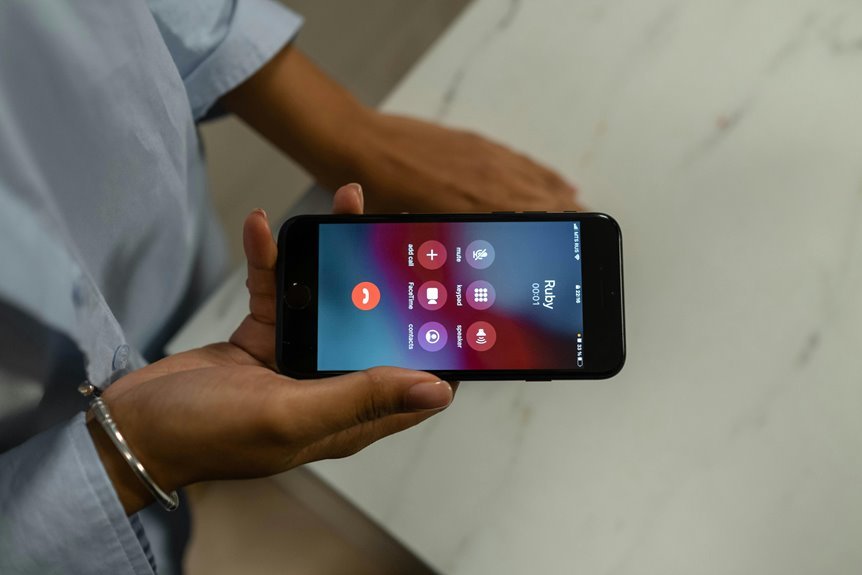
The phone number 320-207-5189 presents an opportunity for analysis through Numlookup, a service dedicated to enhancing caller identification. By utilizing this tool, users can gain insights into the caller’s identity, geographical location, and service provider. This information may prove essential in assessing the legitimacy of unknown calls. However, the implications of such data retrieval raise questions about privacy and data protection, prompting further examination of the balance between safety and personal information.
Understanding the Importance of Phone Number Lookup
A phone number lookup serves as a crucial tool in today’s digital landscape, offering significant advantages for various stakeholders. It enhances caller safety by enabling users to verify identities and discern potential scams. Amid rising privacy concerns, such services empower individuals to protect themselves from unsolicited communications. Ultimately, phone number lookups facilitate informed decisions and foster a sense of autonomy in an increasingly interconnected world.
How Numlookup Works to Reveal Caller Information
Numlookup operates by aggregating data from various public and proprietary sources to provide comprehensive caller information. This process enhances caller identification, allowing users to discern unknown callers effectively. However, it also raises privacy concerns, as the collection and dissemination of personal data may conflict with individual rights. By balancing these aspects, Numlookup aims to empower users while respecting their need for privacy.
Information You Can Find About 320-207-5189
When investigating the phone number 320-207-5189, a variety of information can be uncovered, including the caller’s name, location, and service provider. This data aids in determining the caller identity while addressing potential privacy concerns. Users can leverage resources to enhance their understanding of unknown calls, fostering informed decisions about communication and personal safety in an increasingly connected world.
Frequently Asked Questions
Is Numlookup Free to Use for Phone Number Searches?
The inquiry regarding whether Numlookup is free for phone number searches reveals that while initial access may be free, search limitations can impact user experience, potentially necessitating paid options for comprehensive information retrieval.
Can I Find Out the Owner’s Address Using Numlookup?
In the labyrinth of phone tracking, one may ponder if an address lookup reveals hidden paths. However, Numlookup’s capabilities primarily focus on phone number identification, providing limited access to personal address information, thus preserving individual privacy.
What Should I Do if the Information Is Incorrect?
When encountering incorrect information, individuals should focus on correcting information by contacting the service provider. Resolving discrepancies often involves verifying sources and providing accurate data to ensure reliable outcomes for future inquiries.
How Can I Report Spam Calls From This Number?
To report spam calls, individuals should document the call details, utilize the reporting process through their phone carrier, and consider notifying relevant authorities. This action empowers users, fostering a collective resistance against unwanted communication interference.
Is My Search History Private on Numlookup?
The inquiry regarding search history on Numlookup highlights significant privacy concerns. Users must consider data collection practices, as personal information could be stored or shared, impacting their autonomy and privacy in an increasingly surveilled digital environment.
Conclusion
In conclusion, the investigation of phone number 320-207-5189 through Numlookup highlights the intricate balance between user empowerment and privacy concerns. As users seek to identify unknown callers, they inadvertently contribute to a broader discourse on data protection in an age of interconnectedness. Coincidentally, while striving for personal safety, individuals may also unwittingly expose their own information. This duality underscores the importance of responsible data usage, prompting a critical examination of the implications for both personal security and privacy rights.